June 3, 2026 · 6 min read
What Causes an AC to Run Without Cooling the House?
AC running but not cooling your home? Learn common causes, warning signs, and simple fixes. Read our guide and find solutions today.
By the team at RCI HVAC & Construction Services
When your air conditioner is running but your home still feels warm, it can be frustrating. You hear the system working, the thermostat is set correctly, and yet the temperature inside never seems to reach a comfortable level.
This is one of the most common reasons homeowners seek AC repair services. While some causes are simple and easy to address, others may require professional attention. Understanding what could be happening can help you identify the problem sooner and avoid unnecessary stress during the hottest days of the year.
Why Is My Air Conditioner Running But Not Cooling?
An air conditioner works by removing heat from inside your home and transferring it outdoors. When any part of that process is interrupted, the system may continue running without effectively cooling the house.
Several issues can lead to an air conditioner not cooling properly. Some are related to airflow, while others involve electrical components or refrigerant levels.
Let's look at the most common causes.
Dirty Air Filter
One of the simplest and most overlooked causes of cooling problems is a dirty air filter.
Your filter captures dust, dirt, pet hair, and other airborne particles. Over time, it becomes clogged and restricts airflow throughout the system. When airflow is reduced, the air conditioner has a harder time moving cool air through your home.
Signs of a dirty filter include:
- Weak airflow from vents
- Uneven temperatures between rooms
- Longer cooling cycles
- Increased energy bills
Checking and replacing your filter regularly can often improve system performance and prevent unnecessary wear on your equipment.
Thermostat Problems
Sometimes the issue is not with the air conditioner itself but with the thermostat controlling it.
A thermostat that is incorrectly programmed, has weak batteries, or is malfunctioning may send inaccurate signals to the system. This can cause the AC to run longer than necessary or fail to cool effectively.
Before assuming there is a major issue, verify that:
- The thermostat is set to "cool"
- The desired temperature is lower than the current room temperature
- Batteries are functioning properly
- The thermostat display is working correctly
Even small thermostat issues can create noticeable comfort problems throughout the home.
Dirty Outdoor Condenser Unit
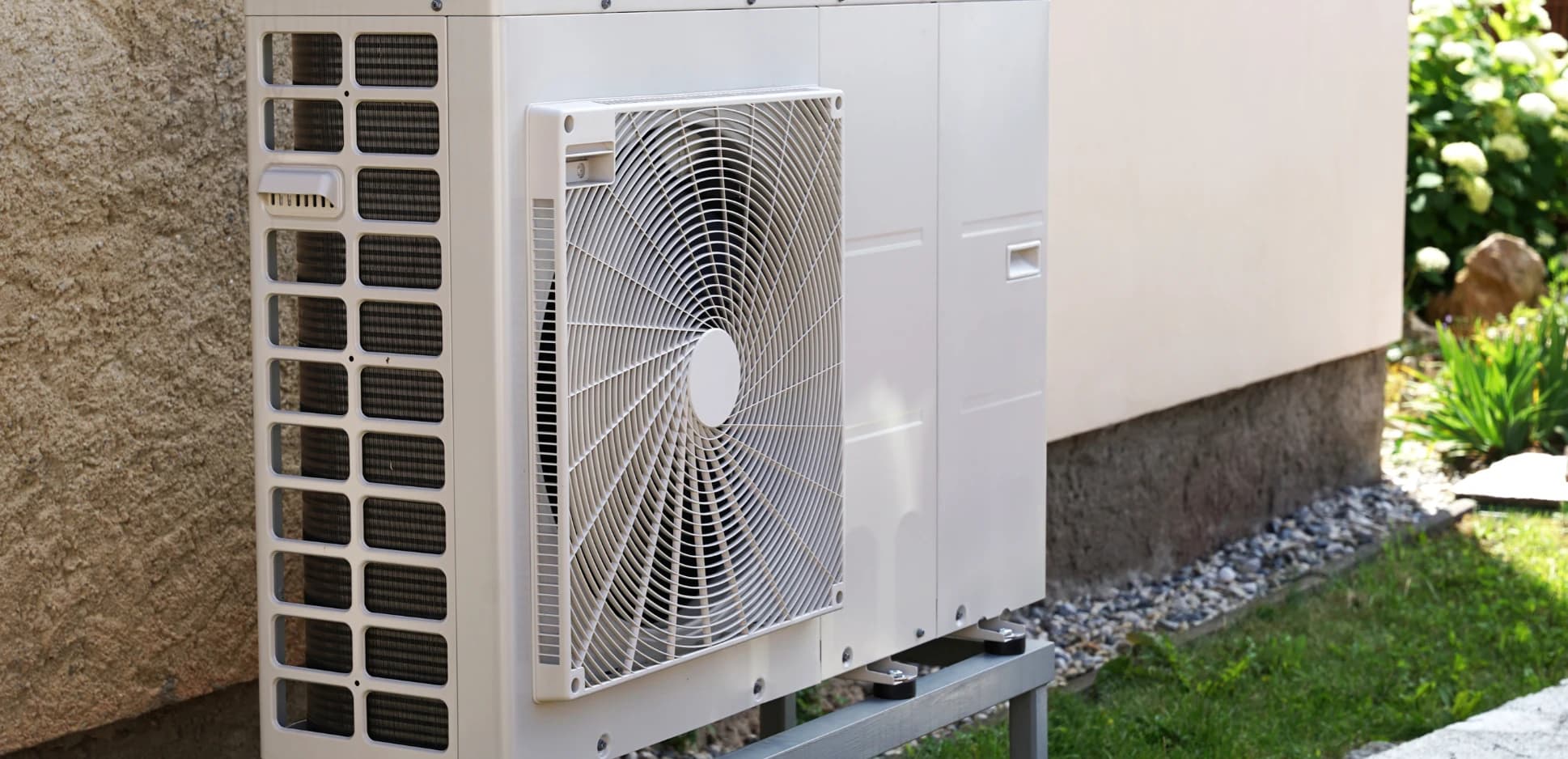
The outdoor unit plays a major role in releasing heat from your home.
Over time, leaves, grass clippings, dirt, and debris can build up around the condenser. When airflow around the unit becomes restricted, the system struggles to remove heat efficiently.
This often results in longer cooling cycles and reduced indoor comfort.
Homeowners should periodically inspect the outdoor unit and make sure there is adequate clearance around it. Keeping the area clean can improve performance and help the system operate more efficiently.
Low Refrigerant Levels
Refrigerant is the substance responsible for absorbing heat from inside your home.
Unlike fuel, refrigerant is not something that gets used up during normal operation. If levels are low, it usually means there is a leak somewhere in the system.
Common signs of low refrigerant include:
- Warm air coming from vents
- Ice forming on refrigerant lines
- Hissing or bubbling sounds
- Increased cooling times
Low refrigerant is not a do-it-yourself repair. The source of the leak must be located and repaired before the system can be properly recharged.
Frozen Evaporator Coil
A frozen evaporator coil can prevent your air conditioner from cooling effectively.
This issue often develops when airflow is restricted or refrigerant levels are low. As the coil freezes, it becomes harder for the system to absorb heat from the indoor air.
You may notice:
- Reduced airflow
- Warm air from vents
- Ice buildup near indoor components
- Water around the unit after thawing
Although turning off the system may temporarily allow the ice to melt, the underlying cause still needs to be addressed.
Blocked or Leaky Ductwork
Your duct system is responsible for delivering cooled air throughout the home.
If ducts become damaged, disconnected, or develop leaks, conditioned air may escape before reaching living spaces. As a result, the air conditioner continues running while certain rooms remain warm.
Some warning signs include:
- Hot and cold spots throughout the home
- Unusually high utility bills
- Excessive dust
- Weak airflow from certain vents
Duct problems often go unnoticed because much of the system is hidden behind walls, ceilings, or in attics.
Electrical Component Issues
Modern air conditioning systems rely on multiple electrical components to operate correctly.
Capacitors, relays, contactors, and other parts work together to start and run the system. When one of these components begins to fail, the AC may appear to be running but may not be cooling efficiently.
Electrical issues can sometimes cause:
- Short cycling
- Unusual noises
- Failure of the outdoor unit
- Inconsistent cooling
Because electrical components can be dangerous to handle, these issues should be inspected by a qualified technician.
Dirty Evaporator Coil
The evaporator coil inside your home absorbs heat from the air before sending cooled air back through the ductwork.
Over time, dirt and debris can accumulate on the coil's surface. This buildup acts as insulation, making it more difficult for the coil to transfer heat effectively.
As a result, cooling performance declines and the system may need to run longer to achieve the desired temperature.
Routine maintenance helps keep coils clean and operating efficiently.
Air Conditioner Is Too Small for the Home
In some situations, the problem is not a malfunction at all.
If an air conditioning system is undersized for the home's cooling demands, it may run continuously without adequately lowering indoor temperatures during extreme weather.
An undersized system often shows these symptoms:
- Constant operation during hot afternoons
- Difficulty maintaining thermostat settings
- Uneven cooling throughout the home
- Higher utility costs
Proper sizing is essential when installing a new system, as larger is not always better and smaller is rarely sufficient.
Extreme Outdoor Temperatures
Even a properly functioning air conditioner can struggle during periods of extreme heat.
When outdoor temperatures reach unusually high levels, cooling systems must work much harder to keep indoor temperatures comfortable. While the home should still feel cooler than outside, the system may run longer than normal.
This is especially true if:
- Insulation is inadequate
- Windows receive significant direct sunlight
- Doors frequently open and close
- The home has air leaks
Improving energy efficiency throughout the home can reduce strain on the cooling system during peak summer conditions.
When Should You Seek Professional Help?
Some issues, such as replacing a dirty filter or checking thermostat settings, are simple tasks homeowners can perform themselves.
However, professional evaluation is often necessary when you notice:
- Ice on refrigerant lines
- Warm air from vents
- Unusual noises
- Refrigerant leaks
- Electrical concerns
- Persistent cooling problems
Prompt attention can help prevent minor issues from becoming larger and more expensive repairs.
For homeowners wanting to learn more about AC repair, understanding these warning signs can help determine when expert diagnosis is needed.
Final Thoughts
An air conditioner that runs without cooling can be caused by many different factors, ranging from a clogged filter to refrigerant leaks or failing components. While some issues are easy to identify, others require a more detailed inspection to uncover the root cause.
The key is to address cooling problems early rather than waiting for complete system failure. Regular maintenance, proper airflow, and timely repairs can help keep your home comfortable while extending the life of your air conditioning system.
If you've noticed your air conditioner not cooling, taking a closer look at these common causes is a good first step toward restoring comfort and avoiding bigger problems down the road.
Need a hand with this?
RCI serves Moore, the OKC metro, and southwest Oklahoma. Same-day service in most cases.